
 Image 1 of 4
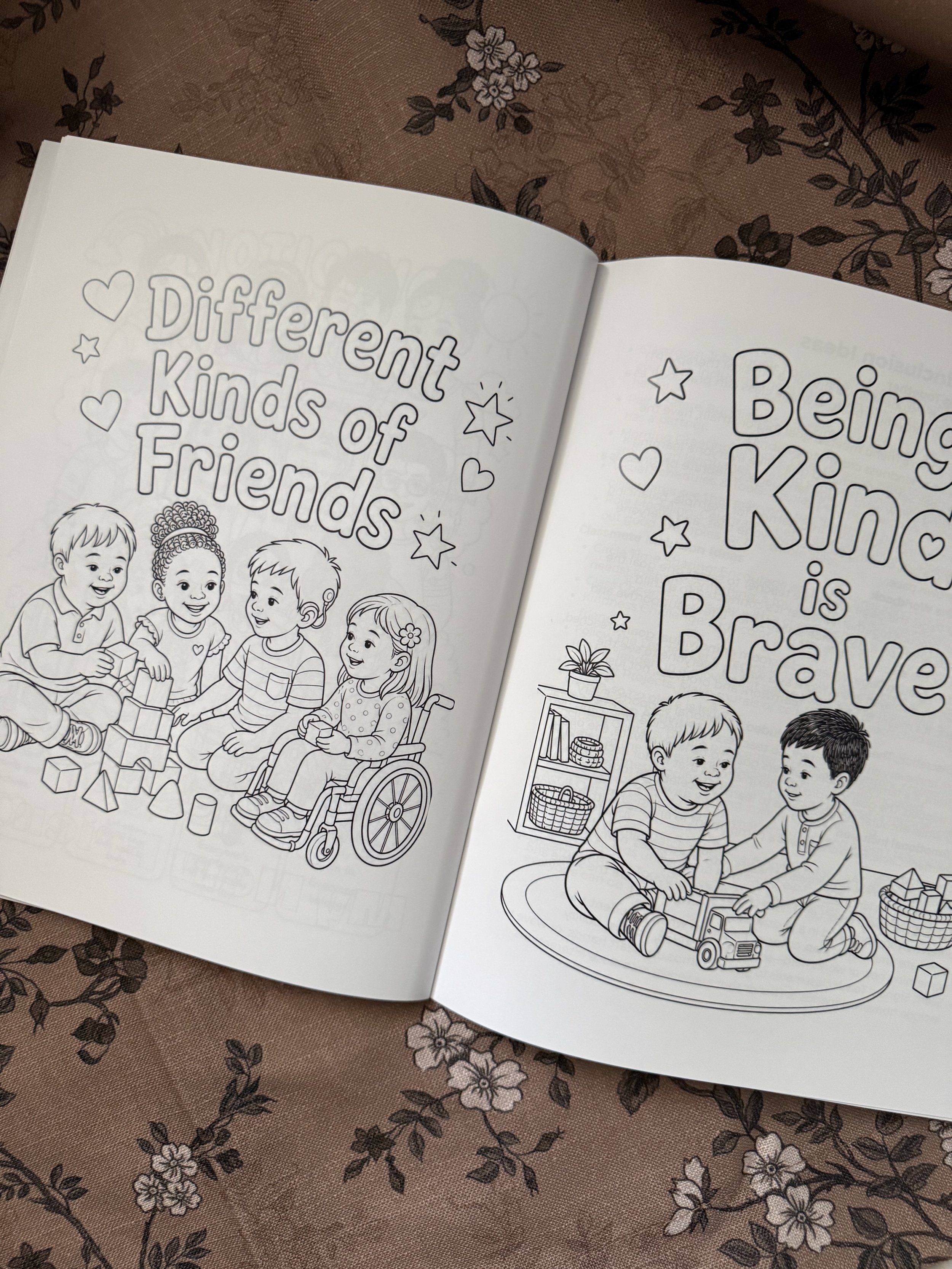 Image 2 of 4
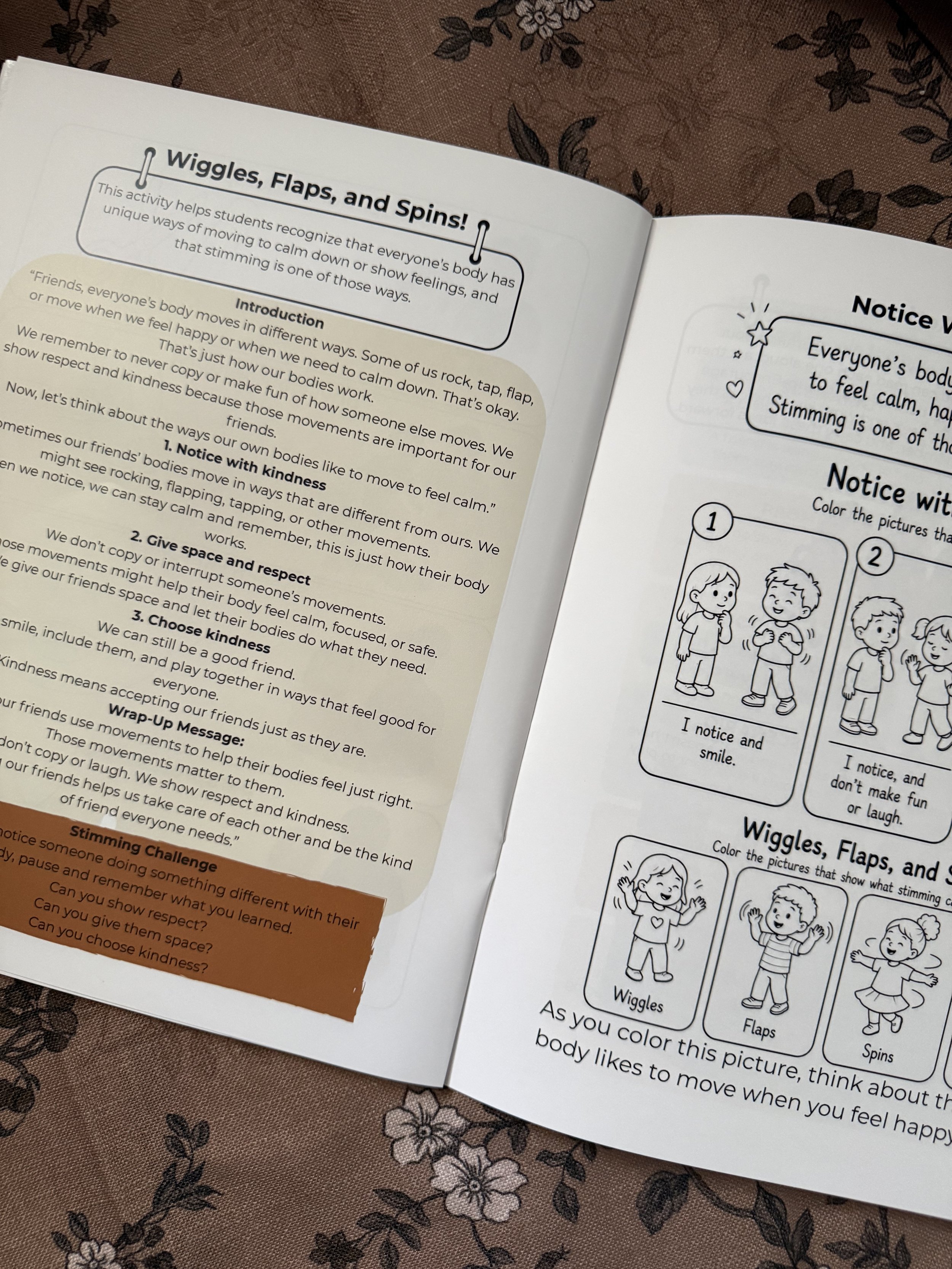 Image 3 of 4
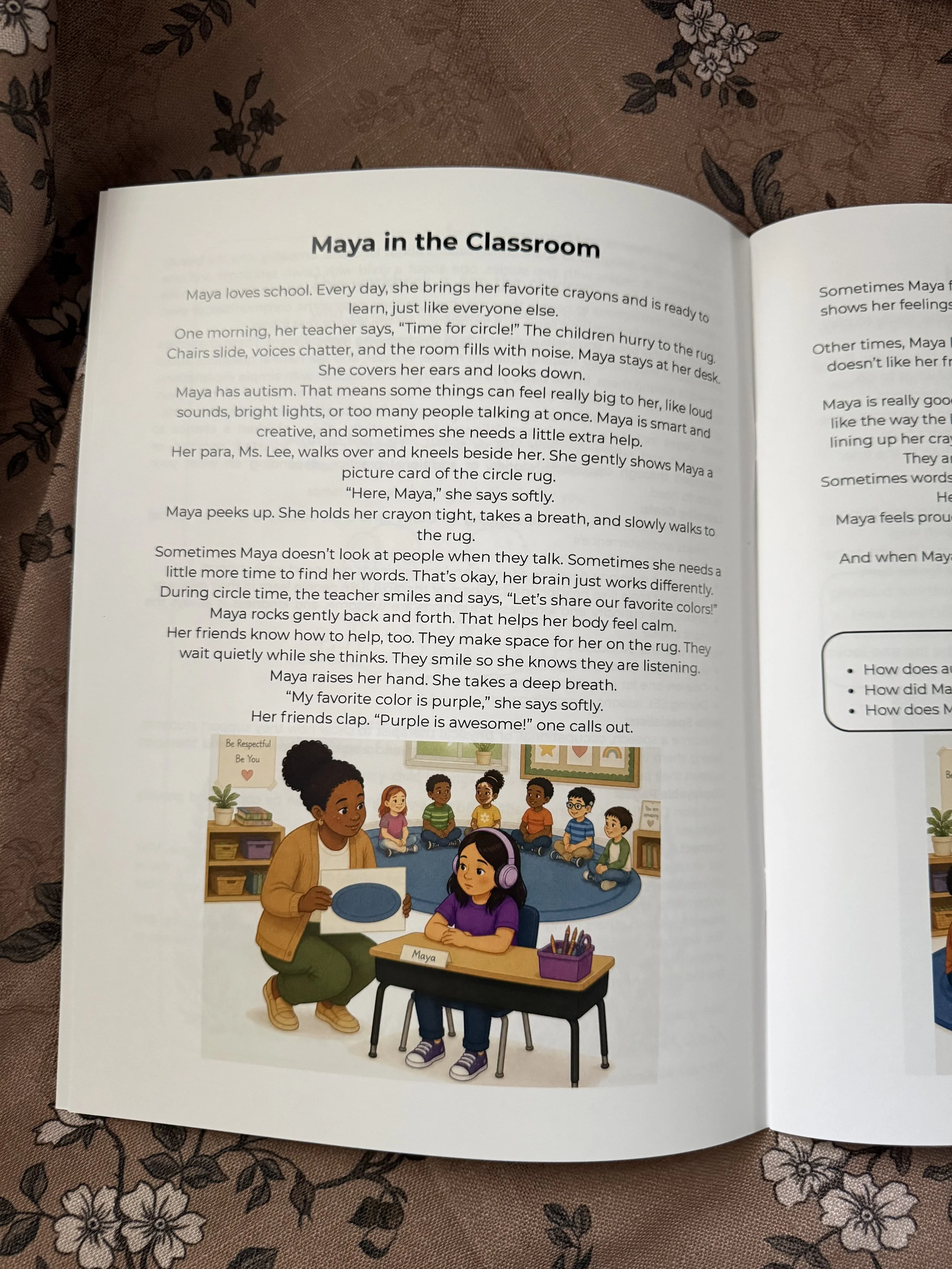 Image 4 of 4
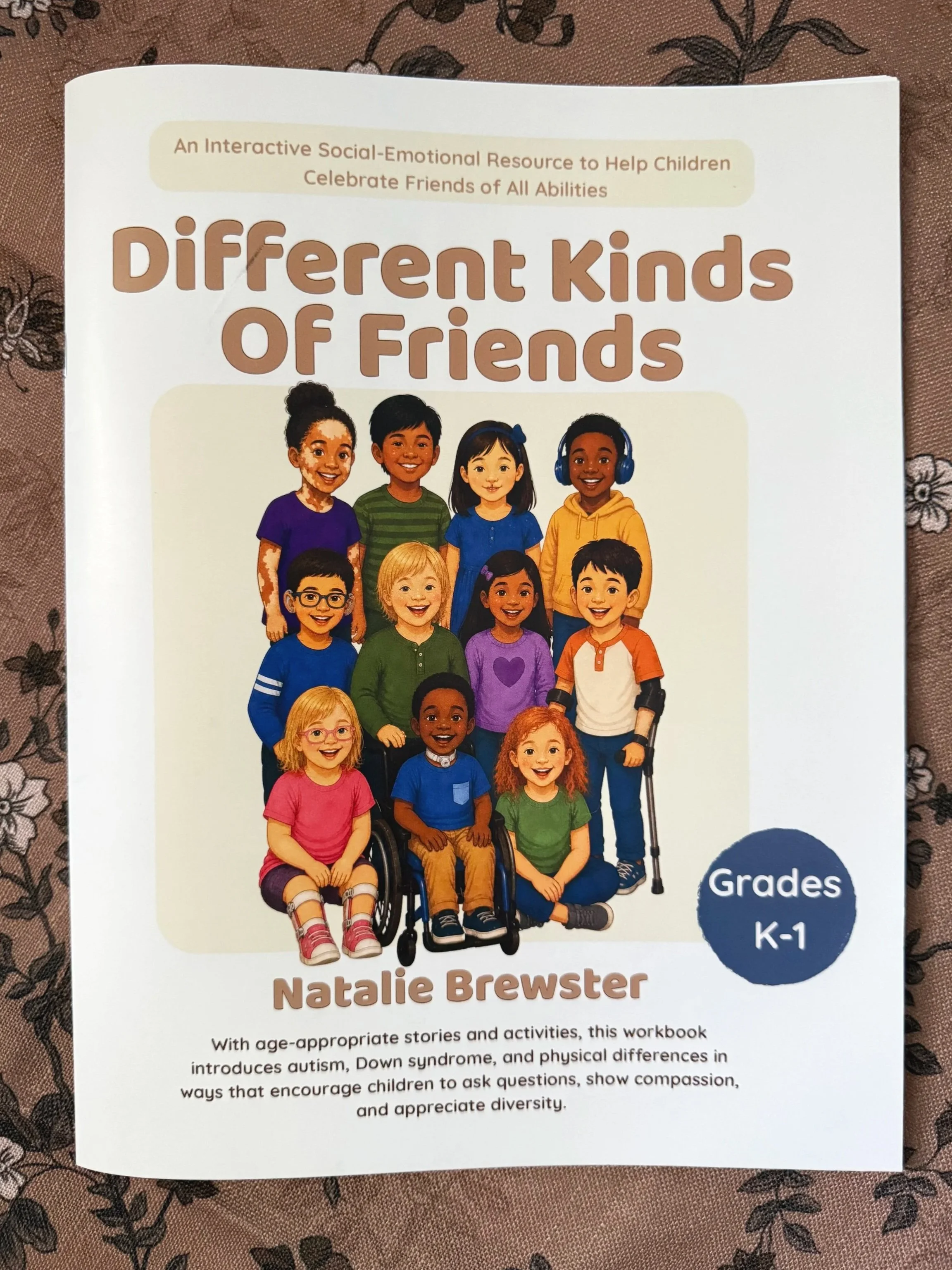
Different Kinds of Friends is an engaging, age-appropriate workbook designed to help young children explore friendship, kindness, empathy, and the beauty of our differences.
Through interactive activities, thoughtful discussion prompts, and meaningful stories, students learn about disabilities and differences, including autism, Down syndrome, and physical differences, in a way that encourages curiosity, compassion, and connection.
Created by educator and parent Natalie Brewster, this resource gives teachers and families the tools to guide important conversations and build classroom communities where every child feels seen, understood, and included.
30 Full color workbooks
40+ interactive activities and reflection pages
Real-life scenarios that encourage empathy and understanding
Discussion prompts designed for meaningful classroom conversations
Age-appropriate introductions to disabilities and differences
A positive, strengths-based approach that celebrates every child’s unique abilities
Kindergarten and first-grade classrooms
Social-emotional learning (SEL) lessons
Inclusive classroom discussions
School counselors, therapists, and homeschool families
Because when children learn to understand one another, they learn how to create a kinder, more inclusive world.
Different Kinds of Friends is an engaging, age-appropriate workbook designed to help young children explore friendship, kindness, empathy, and the beauty of our differences.
Through interactive activities, thoughtful discussion prompts, and meaningful stories, students learn about disabilities and differences, including autism, Down syndrome, and physical differences, in a way that encourages curiosity, compassion, and connection.
Created by educator and parent Natalie Brewster, this resource gives teachers and families the tools to guide important conversations and build classroom communities where every child feels seen, understood, and included.
30 Full color workbooks
40+ interactive activities and reflection pages
Real-life scenarios that encourage empathy and understanding
Discussion prompts designed for meaningful classroom conversations
Age-appropriate introductions to disabilities and differences
A positive, strengths-based approach that celebrates every child’s unique abilities
Kindergarten and first-grade classrooms
Social-emotional learning (SEL) lessons
Inclusive classroom discussions
School counselors, therapists, and homeschool families
Because when children learn to understand one another, they learn how to create a kinder, more inclusive world.